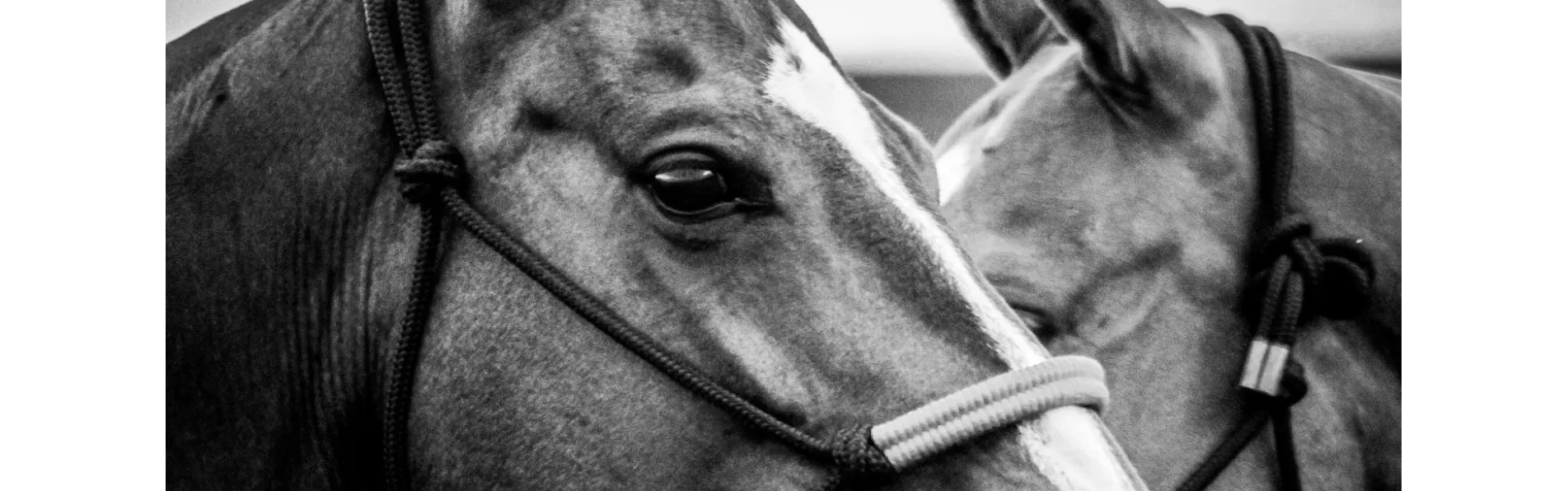
Polo is a sport of thundering hooves, lightning-fast mallet swings, and an unbreakable bond between rider and steed. At its heart lies the polo “pony”—a term that sparks curiosity among newcomers and seasoned players alike. Why call these powerful, athletic horses “ponies” when they’re anything but small? Far from the diminutive creatures the name might suggest, polo ponies are elite equine athletes, bred and trained for the high-stakes intensity of the game. In this deep dive, we explore the origins of the term, the unique traits that make these horses ideal for polo, and how brands like Krono Polo elevate their performance with cutting-edge gear. Saddle up as we uncover the legacy of the polo pony and why it’s a cornerstone of the sport.
The Curious Case of the “Polo Pony” Moniker
The term “polo pony” is a bit of a misnomer, rooted in tradition rather than literal size. In equine terminology, a pony is typically a horse under 14.2 hands (about 4’10” at the withers), while polo horses often stand taller, averaging 15 to 16 hands (5 to 5’4”). So why the nickname? The answer lies in the sport’s history and the qualities prized in its equine stars.
Polo’s origins trace back centuries, with early versions played in ancient Persia and later refined in British India during the 19th century. The horses used in these early games were often smaller, nimbler mounts—closer to true ponies—bred for agility over vast fields. British cavalry officers, who popularized modern polo, favored these compact horses for their quick turns and explosive bursts, dubbing them “ponies” to distinguish them from larger warhorses or carriage breeds. Over time, as polo evolved and breeding became more sophisticated, the term stuck, even as the animals grew taller and more muscular.
Today, “polo pony” is a term of endearment and tradition, used universally in the polo community to describe the horses that power the sport. These aren’t dainty creatures but robust, purpose-bred athletes, often towering over true ponies yet retaining the name as a nod to the game’s heritage. It’s a badge of honor, signaling their specialized role in one of the world’s most exhilarating sports.
The Making of a Polo Pony: Breeds and Bloodlines
Not just any horse can become a polo pony. The demands of the game—sprinting at speeds up to 60 km/h, pivoting on a dime, and enduring multiple high-intensity chukkers—require a unique blend of strength, agility, and temperament. While polo ponies can come from various breeds, the gold standard is often a cross between Thoroughbreds and Criollo horses, particularly in Argentina, the global epicenter of polo.
Thoroughbreds: Speed and Spirit
Thoroughbreds, known for their sleek builds and racing pedigree, bring blazing speed and endurance to the mix. Standing taller and leaner than many breeds, with long necks and high-set tails, they’re built for athleticism. Their intelligence and willingness to work make them quick learners, able to respond to a rider’s cues under the chaos of a match. In polo, Thoroughbred blood ensures the explosive bursts needed to chase down a ball or outmaneuver an opponent.
Criollo Horses: Grit and Resilience
Native to South America, Criollo horses add a different kind of magic. These hardy, compact animals, descendants of Spanish colonial stock, are renowned for their strength, agility, and unflappable nature. Used for centuries in Argentina’s demanding ranch work, Criollos contribute stamina and a calm, adaptable temperament—crucial for staying composed amid the noise and collision of a polo game. Their robust build complements the Thoroughbred’s speed, creating a hybrid that’s both powerful and precise.
The Argentine Edge
Argentina has mastered this alchemy, producing the world’s finest polo ponies through careful crossbreeding. The result is a horse that’s typically 15–16 hands, weighing 1,000–1,200 pounds, with a muscular frame and powerful hindquarters built for rapid acceleration and sharp turns. These ponies are not only physically gifted but also mentally sharp, trained to anticipate a rider’s moves and navigate the field with almost telepathic precision. Argentina’s breeding farms, like those behind the famed Argentine Polo Horse, are global leaders, exporting their equine stars to pitches worldwide.
What Makes a Polo Pony Exceptional?
Beyond their lineage, polo ponies are defined by traits that make them uniquely suited to the sport’s relentless pace. Here’s what sets them apart:
- Athleticism: Polo ponies must sprint, stop, and pivot in seconds, covering up to 3 km per chukker at breakneck speed. Their sturdy builds and strong hindquarters provide the power for these dynamic maneuvers.
- Temperament: A great polo pony is calm under pressure, unfazed by roaring crowds or swinging mallets. Confidence and responsiveness ensure they follow commands without hesitation, even in the heat of a match.
- Conditioning: Endurance is non-negotiable. Polo ponies undergo rigorous training to build stamina, allowing them to perform at peak levels for 7.5-minute chukkers, often multiple times in a game. Top players rotate 2–5 ponies per match to keep them fresh, as no single horse can sustain that intensity throughout.
- Training: From a young age, polo ponies are schooled to move fluidly with their rider, mastering quick direction changes and responding to subtle rein or leg cues. This training, often spanning years, shapes their temperament and hones their instincts, making them true partners on the field.
These qualities don’t come cheap. A single polo pony can cost $40,000–$100,000, reflecting the years of breeding, training, and care invested in each animal. Specialized veterinarians, nutritionists, and grooms work tirelessly to keep them in top form, as even minor injuries can sideline a star. For players, the investment is as emotional as it is financial—polo ponies aren’t just mounts; they’re teammates, bonded through countless hours of practice and care.
The Role of Gear: Elevating the Polo Pony’s Performance
A polo pony’s brilliance shines brightest when paired with equipment that enhances its comfort and communication with the rider. This is where Krono Polo, a brand synonymous with innovation, steps in. Founded by Colombian designer Camila Mejía Posada, Krono Polo crafts gear that bridges tradition and modernity, ensuring your pony performs at its peak.
- Saddles: Krono’s handcrafted saddles, like those in the High Goal Collection, are designed for synergy. Breathable padding and ergonomic fits keep ponies comfortable during grueling matches, while low-profile designs ensure riders’ cues are transmitted instantly.
- Whips and Accessories: Krono’s lightweight whips offer gentle encouragement without stress, preserving the pony’s trust. Their polo boots and bandages protect legs during tight turns, blending durability with vibrant style.
- Player-Pony Connection: Every piece, from gloves to reins, is engineered to strengthen the rider-horse bond. Krono’s tech-driven materials—like grippy gloves that maintain rein sensitivity—help players guide their ponies with precision, turning instinct into action.
Explore Krono’s full range at www.kronopolo.com, where their 3D customizer lets you tailor gear to your pony’s needs and your personal flair. With ambassadors like Millie Hine and the Castagnola brothers trusting Krono, it’s clear their equipment is as elite as the ponies it serves.
Why “Pony”? A Legacy of Heart and Hustle
So why call these majestic horses “ponies”? It’s more than a quirk of history—it’s a tribute to their compact power, their agility, and their role as the sport’s unsung heroes. The term evokes the gritty, nimble mounts of polo’s past while celebrating the modern marvels that dominate today’s fields. In Argentina, where the polo pony reigns supreme, they’re not just animals—they’re legends, carrying players to victory with every stride.
Whether you’re a weekend warrior or a high-goal pro, understanding the polo pony’s unique place in the sport deepens your appreciation for the game. Next time you hear “polo pony,” picture not a diminutive creature but a 1,200-pound powerhouse, bred for brilliance and ready to run. What’s your favorite story about a polo pony that stole the show? Share it in the comments—we’re all about celebrating these equine stars.
Until the next chukker, honor your pony, gear up with Krono, and ride like the wind.
Photos courtesy of Krono Polo’s collections. Prices and details at www.kronopolo.com.