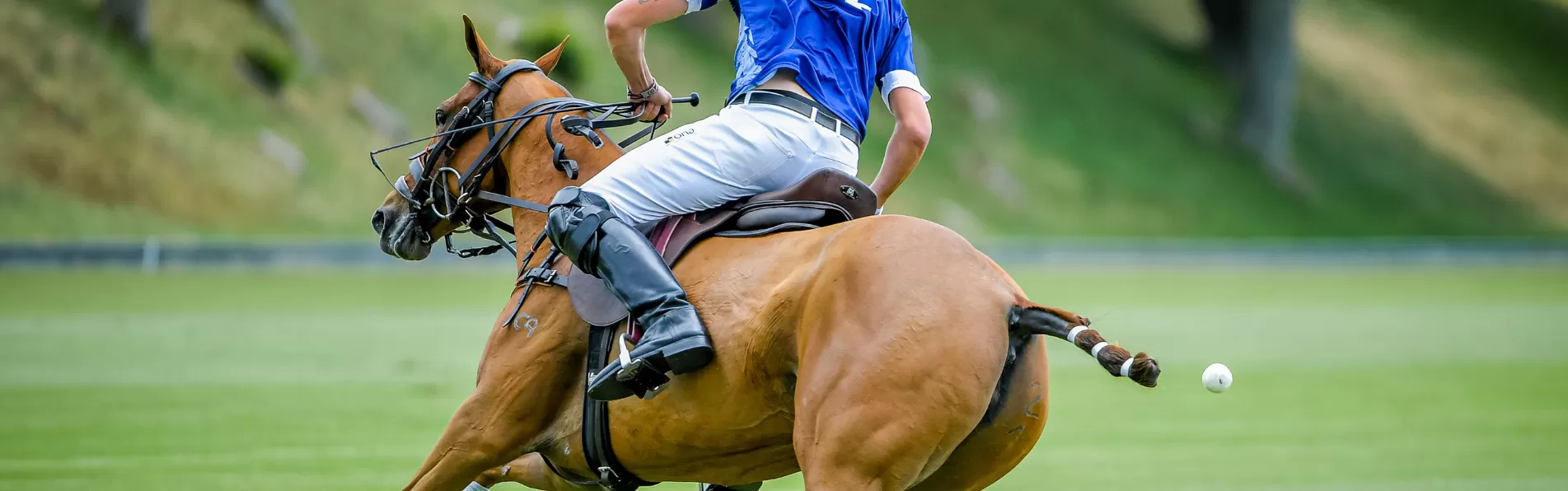
The Art of Custom Polo Boots: Your Signature on the Field
Polo is a sport of split-second decisions—where a half-inch shift in weight can mean the difference between a goal and a ride-off. In that high-stakes dance between horse, rider, and mallet, your boots are the silent partner that never falters. Custom polo boots aren’t merely equipment; they’re an extension of your will, crafted to the millimeter for a connection so seamless you forget they’re there—until you realize you’ve played four chukkers without a single hot spot.
The Bespoke Journey: From Measurement to Masterpiece
The process begins long before leather meets last. A true custom bootmaker—whether in the workshops of Buenos Aires, the ateliers of London, or the barns of Wellington—treats your leg like a topographical map.
- Foot tracing and 3D scanning: Some makers now use digital scanners for sub-millimeter accuracy.
- Calf girth at five points: From ankle bone to just below the knee, ensuring zero pinch during deep knee bends.
- Arch profiling: High, medium, or fallen—your boot’s internal structure is built around it.
- Riding posture analysis: Do you ride forward in the saddle? Lean back in the Texan style? The boot’s spine is angled accordingly.
From these metrics, a wooden last is carved—your foot’s doppelgänger in beechwood. This isn’t a generic size 9; it’s your size 9, with a slightly wider left ball and a pronounced right instep if that’s your truth.
Leather: The Armor and the Soul
Polo boots live a brutal life. Mallets swing at 100 mph. Horses kick. Turf tears. Custom makers counter with layered defense:
- Outer shell: Full-grain cowhide or cordovan (horsehide from the rump, tanned for six months in vegetable liquors for a glass-like finish).
- Mid-layer: Often kangaroo leather—lighter than cowhide, stronger than steel by weight.
- Inner lining: Calfskin or deerskin, buttery soft to wick sweat and prevent rubs.
- Reinforcements: Carbon fiber inserts at the knee guard, or traditional bamboo strips for flex without fracture.
Want four layers? Some makers will oblige. Want a single layer for summer arena polo? They’ll thin it to 1.8 mm without sacrificing structure. The choice is yours.
Style as Strategy
Function dictates form, but style is the flourish:
- Zippered fronts: YKK marine-grade, hidden under a leather flap. Swap in seconds between horses.
- Lace-up classics: Adjustable tension from ankle to knee—preferred by players who swell in heat.
- Texan pull-ons: No hardware, just two leather pulls and a deep scallop. The choice of gauchos and Wellington veterans.
- Spur rests: Integrated leather ledges or brass rollers to keep spurs from slipping.
- Heel height: 1.5" for field polo, 1" for arena—each millimeter affects your stirrup length.
Then come the details that make jaws drop in the stabling area:
- Hand-stitched contrast piping in your stable colors.
- Blind-embossed initials inside the shaft (visible only when you remove the boot).
- A secret pocket in the tongue for a spare bandage or a lucky coin.
- Glow-in-the-dark thread for night polo under floodlights.
The Break-In Ritual
A new custom boot is stiff—intentionally. The first ride is a negotiation: leather yields, your leg imprints. Makers advise:
- Wear them wet (mist with water, ride 20 minutes).
- Stuff with newspaper overnight to hold shape.
- Condition weekly with dubbin or Krono’s own balm.
After three outings, the boot remembers. The crease at your ankle deepens. The knee guard cups perfectly. By chukker six, they’re silent—no squeaks, no slips, just symbiosis.
The Investment
Expect 8–12 weeks from order to delivery. Prices start at $1,200 for a two-layer field boot and crest $6,500 for cordovan polo boots. But consider the math: a pro plays 80 chukkers a season. At $20 per chukker in boot value, that’s pennies for peace of mind. And unlike off-the-rack pairs that crack after a year, customs are resoled, re-lined, and passed down—some players ride in boots their grandfathers commissioned in the 1980s.
Field Notes from the Elite
Adolfo Cambiaso once said his custom boots “let me forget my feet exist.” Nacho Figueras keeps three identical pairs in rotation, each broken in to a different stage. For the amateur, the payoff is subtler but no less real: no more borrowing a teammate’s spares, no more taping blisters mid-match. Just you, your horse, and seven acres of possibility.
Krono Polo Boots: Argentine Craft, Global Trust
In the polo world, few names carry the quiet authority of Krono. Born in England, raised in Argentina, and battle-tested from Sotogrande to Singapore, Krono polo boots are the choice of players who demand consistency without the couture price tag.
The Pampas Pedigree
Every hide begins on the windswept plains south of Buenos Aires. Buffalo roam free, yielding leather thicker than cowhide yet pierced with natural pores for breathability. Tanned in open vats using quebracho bark, the leather emerges supple, water-resistant, and ready for war.
The Lineup: Built for Every Battlefield
Krono’s catalog reads like a polo player’s diary:
- Krono Classic Field: Front zip, welted Goodyear sole, 2.2 mm buffalo throughout. The daily driver.
- Krono Texan: Pull-on, 3-inch stacked heel, reinforced pull straps. For the rider who wants to look like he just stepped off a cutting horse.
- Krono Cordovan: Six months in the tanning pit, zero pores, mirror shine. Ages to a deep mahogany patina.
- Krono Triple: Three layers. The choice for 20-goal ride-offs.
Engineering in the Details
- Sole stitching: Double-row Goodyear welt—replaceable when the turf finally wins.
- Zipper guards: Leather flaps plus a secondary snap to keep grass out.
- Heel counters: Rigid yet lined with memory foam—locks the foot without bruising.
- Tongue gussets: Accordion leather that expands when your calf pumps but never gaps.
The 31-Day Bespoke Option
Can’t wait three months? Krono’s semi-custom program delivers in just over a month. Choose:
- Leather type (buffalo, cow, cordovan)
- Layer count (2 or 3)
- Shaft height (standard, tall, short)
- Logo embroidery (up to 3 inches, any thread color)
- Sole finish (leather, rubber lug, or hybrid)
Send calf measurements via their app, and your boots ship from Pilar, Argentina, with a tracking number and a tin of conditioner.
Care as Ritual
Krono players swear by the “three-minute shine”:
- Brush off dust with a horsehair brush.
- Wipe with a damp cloth (never soaked).
- Apply Krono Cream in circles—lanolin and beeswax sink deep.
- Buff with a chamois until you see your reflection.
Do this after every match, and your boots will outlast your polo ponies.
The Proving Grounds
Walk the stables at the Palermo Open, and you’ll spot Krono logos on half the players. In Florida, the Wellington season sees Krono trucks parked beside private jets. Even in the UK’s drizzly arena circuit, their waterproof welts hold firm. One reviewer clocked 312 chukkers in a single pair before the first resole—numbers that speak louder than any ad.
The Price of Reliability
Ready-to-wear starts at $750. Triple-layer cordovans top out at $1,400. For that, you get a boot that molds in a week, not a month, and performs from day one. No break-in blisters. No custom fitting fees. Just lace up (or zip up) and ride.
Epilogue: The Boot Is the Rider
Polo boots are the only piece of gear that touches both horse and human. They absorb the shock of a near-side forehand, cradle your knee through a tail shot, and carry the scuffs of a season’s triumphs.
Custom polo boots are the love letter you write to your future self—the player who’ll thank